Trusted Same-Day EICR Certificate Service
Same-Day EICR Certificate in London
Landlord-ready Electrical Installation Condition Report (EICR) for flats, houses and HMOs across London — a fixed wiring inspection and test completed to BS 7671 (IET Wiring Regulations), with a clear digital PDF report issued fast.
- Fixed, upfront pricing (no hidden extras)
- Clear C1 / C2 / C3 / FI codes with practical remedial guidance (if needed)
- Fast turnaround on your EICR report and compliance documentation
Qualified, insured electricians • Evening/weekend slots • Digital PDF report

Area Covered
London and nearby areas across Greater London
Booking & Opening Hours
- Phone lines: Mon–Sun · 8am–10pm
- Call: 020 3677 6372

What an EICR is (and what it isn’t)
An EICR is the UK’s standard report for checking the safety of a property’s fixed electrical installation. It confirms whether the installation is safe for continued use, identifies electric shock and fire risks, records any issues using recognised classification codes, and states the recommended next inspection date.
- EICR (Electrical Installation Condition Report): periodic safety inspection and testing of existing fixed wiring.
- EIC / Minor Works Certificate: certification for new electrical work or alterations (not a periodic condition report).
- PAT testing: portable appliance testing for plug-in appliances (separate from fixed wiring).
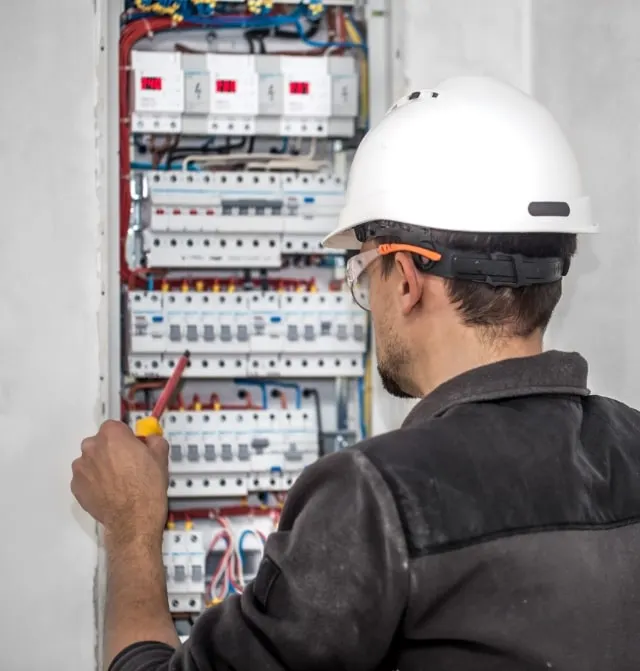
What an EICR inspection checks
An EICR focuses on the parts of the electrical system that matter most for safety and compliance:
- Consumer unit / fuse box condition and protective devices (including RCD protection where applicable)
- Earthing and bonding integrity
- Wiring condition and signs of overheating, damage, or deterioration
- Circuits and accessories (sockets, switches, lighting points)
- Fixed connected equipment such as showers, extractors and other permanent connections
How the EICR visit works (what to expect)
A straightforward, tenant-friendly process with clear deliverables.
Pre-visit checks
We confirm property type, access arrangements and any known issues (e.g., recent tripping, new consumer unit, extension work).
On-site inspection and testing
The electrician carries out a visual inspection and then tests circuits using professional test equipment. Some testing may require temporary power isolation, and we’ll ask for access to the consumer unit and sockets/lights where possible.
Your report and next steps
You receive the digital EICR (PDF) with a Satisfactory / Unsatisfactory outcome, any C1 / C2 / C3 / FI observations, a recommended next inspection date, and practical guidance on what to fix and how urgent it is.
What you receive
Every inspection is designed to produce clear compliance paperwork you can actually use.
- Digital PDF EICR report (easy to share with tenants/agents)
- A clear result: Satisfactory or Unsatisfactory
- Any issues classified using C1 / C2 / C3 / FI codes
- The recommended next inspection date
- Remedial guidance (if anything needs attention)
EICR codes explained (C1, C2, C3, FI)
Danger present
Immediate risk; may be made safe on the spot.
Potentially dangerous
Urgent remedial work required.
Further investigation
Required without delay to confirm and fix the issue.
Improvement recommended
Does not fail the report on its own.
In practice, C1/C2/FI usually mean the report is unsatisfactory until addressed; C3-only reports can still be satisfactory.
If your EICR is unsatisfactory: the remedials pathway
An unsatisfactory result normally means at least one observation is coded C1, C2, or FI. The next steps are remedial work and/or further investigation within the timeframe stated.
Do you need a whole new EICR? Not always. What matters is that required work is completed and you have written confirmation from a qualified person that the installation is safe. Where appropriate, remedial work can be completed and documented without repeating the entire inspection.

Do London landlords need an EICR certificate? (England)
For rented property in England, landlords must ensure the electrical installation is inspected and tested at least every 5 years (or sooner if the EICR sets an earlier date). Landlords must provide the latest report to:
- Existing tenants (within 28 days of the inspection)
- New tenants (before they move in)
- Prospective tenants (within 28 days if requested)
- Local authority (within 7 days if requested)
If remedial work is required, it must be completed within the timeframe stated and you should retain written confirmation that the installation is safe.
EICR cost in London and what affects pricing
EICR pricing is driven by the real inspection scope, not vague estimates. The main price factors include:
- Property size/layout (flat, house, HMO)
- Number of circuits and consumer unit(s)
- Access to sockets/lights and fixed points (occupancy, furniture, locked rooms)
- Age/condition of wiring and whether testing/isolation is straightforward
- Whether remedial work is needed (usually separate from the inspection/report)
Typical pricing structure: a fixed quote based on property type and circuits, confirmed before attendance.
How long an EICR takes in London
Timing depends on circuits, access and complexity. As a practical guide:
- Small, accessible flats: around 1–2 hours
- Larger houses, multiple consumer units, extensions/outbuildings, or access issues: several hours
If faults are identified, investigation can add time — especially where an FI observation is involved.
Trusted for EICRs across London
Clear compliance paperwork, reliable attendance times, and practical next steps if anything is flagged — especially for rented homes and managed properties.
Example outcome
2-bed flat
Report issued as Satisfactory, next inspection date set.
Example outcome
Family house
A small number of C3 improvements recommended.
Example outcome
Rental property
C2 issues identified, remedials completed with written confirmation.
Areas Served
EICR certificates available across London and nearby areas.
- EICR Certificates Acton
- EICR Certificates Battersea
- EICR Certificates Blackheath
- EICR Certificates Camberwell
- EICR Certificates Catford
- EICR Certificates Chingford
- EICR Certificates Colindale
- EICR Certificates Crystal Palace
- EICR Certificates Ealing
- EICR Certificates Eltham
- EICR Certificates Finsbury Park
- EICR Certificates Greenford
- EICR Certificates Harlesden
- EICR Certificates Holborn
- EICR Certificates Ilford
- EICR Certificates Kentish Town
- EICR Certificates Lewisham
- EICR Certificates Manor Park
- EICR Certificates Muswell Hill
- EICR Certificates Northwood
- EICR Certificates Park Royal
- EICR Certificates Poplar
- EICR Certificates Romford
- EICR Certificates Sidcup
- EICR Certificates Southgate
- EICR Certificates Stratford
- EICR Certificates Sydenham
- EICR Certificates Tottenham
- EICR Certificates Wallington
- EICR Certificates Wembley
Frequently Asked Questions (EICR in London)
What is an EICR (Electrical Installation Condition Report) inspection, and what does it check?
An EICR is a formal inspection and test of a property’s fixed electrics. It typically covers the consumer unit/fuse box, wiring, socket circuits, lighting circuits, earthing and bonding, and permanently connected items (e.g., showers and extractors). It identifies fire/shock risks, records defects using C1/C2/C3/FI codes, and states a recommended next inspection date.
What does EICR stand for in electrical safety testing?
EICR stands for Electrical Installation Condition Report.
How long is an EICR valid for, and how often should it be renewed?
In England’s rented sector, the electrics must be inspected and tested at least every 5 years, or sooner if the report sets an earlier date. For owner-occupied homes, it’s commonly done around every 10 years, and also when buying/selling or before letting.
Who can carry out an EICR and issue the report?
An EICR must be completed by a qualified and competent person (typically an electrician trained in inspection and testing) with appropriate test equipment and up-to-date knowledge of BS 7671 (IET Wiring Regulations).
What makes an electrician “qualified and competent” for EICR inspection and testing?
They should be able to evidence inspection & testing competence, current understanding of BS 7671, and experience with domestic installations (consumer units, circuits, earthing/bonding, protective devices). Scheme registration (e.g., NICEIC/NAPIT-style) is a common trust signal, alongside insurance and properly maintained test gear.
Where do I find my next EICR due date?
The EICR report includes a recommended date for the next inspection and test. Many electricians also place a label on or near the consumer unit showing the next due date.
If an EICR is “unsatisfactory”, what happens next — and do I need a new EICR?
“Unsatisfactory” usually means at least one observation is coded C1, C2, or FI. Next steps are remedial work and/or further investigation within the timeframe stated (for rented homes in England: within 28 days or sooner if specified). You don’t always need a full new EICR, but you do need written confirmation from a qualified person that the required work is complete and the installation is safe.
Do landlords need a new EICR for every new tenancy?
Not necessarily. If you have a current, satisfactory EICR that’s still within date (and the next inspection date hasn’t passed), you can usually reuse it. You must provide the latest report to the new tenant before they move in.
How do I read EICR codes (C1, C2, C3, FI) and what do they mean?
- C1 = Danger present (immediate risk; may be made safe on the spot)
- C2 = Potentially dangerous (urgent remedial work required)
- FI = Further investigation required without delay
- C3 = Improvement recommended (does not fail the report on its own)
In practice, C1/C2/FI normally mean the report is unsatisfactory until addressed; C3-only reports can still be satisfactory.
How much does an EICR cost in the UK, and what are the main price factors?
EICR costs depend on the size/layout of the property, number of circuits, number of consumer units, access to sockets/lights, the age/condition of the installation, and whether isolation/testing is straightforward. Any remedial work is usually priced separately from the inspection/report.
Is an EICR a legal requirement for landlords in England (private rented sector)?
Yes. Landlords must have the electrical installation inspected and tested by a qualified person at least every 5 years, obtain a written report (EICR), and provide copies to tenants and the local authority if requested. Failure to comply can lead to financial penalties.
How long does an EICR take for a flat or house?
It mainly depends on the number of circuits, access, and installation complexity. A small, accessible flat may take 1–2 hours; larger homes, multiple consumer units, extensions/outbuildings, or access issues can take several hours.
When did EICR rules start for England’s private rented sector (key dates)?
The regulations came into force on 1 June 2020, applied to new tenancies from 1 July 2020, and applied to existing tenancies from 1 April 2021.
Get your Electrical Safety Certificate in London today
Friendly, fully-qualified engineers and fast turnaround. Call now for a free, no-obligation quote.